
Plush is the product most visitors reach for when they want to take an animal home, and at a zoo or wildlife park it is often the first thing a child asks for after seeing the real one. A custom piece modelled on a particular species, or on a park's own character, gives the shop something a generic toy cannot, because it matches the animal the visitor has just watched in its enclosure.
The brief
A useful plush brief names the animal or character, the size, who it is for, where it will be sold and the retail price it needs to sit at. Reference photos of the real animal matter more than most people expect, because the details a keeper would notice, such as the shape of the ears, the markings or the colour of a beak, are the same details a visitor recognises.
Design and pattern
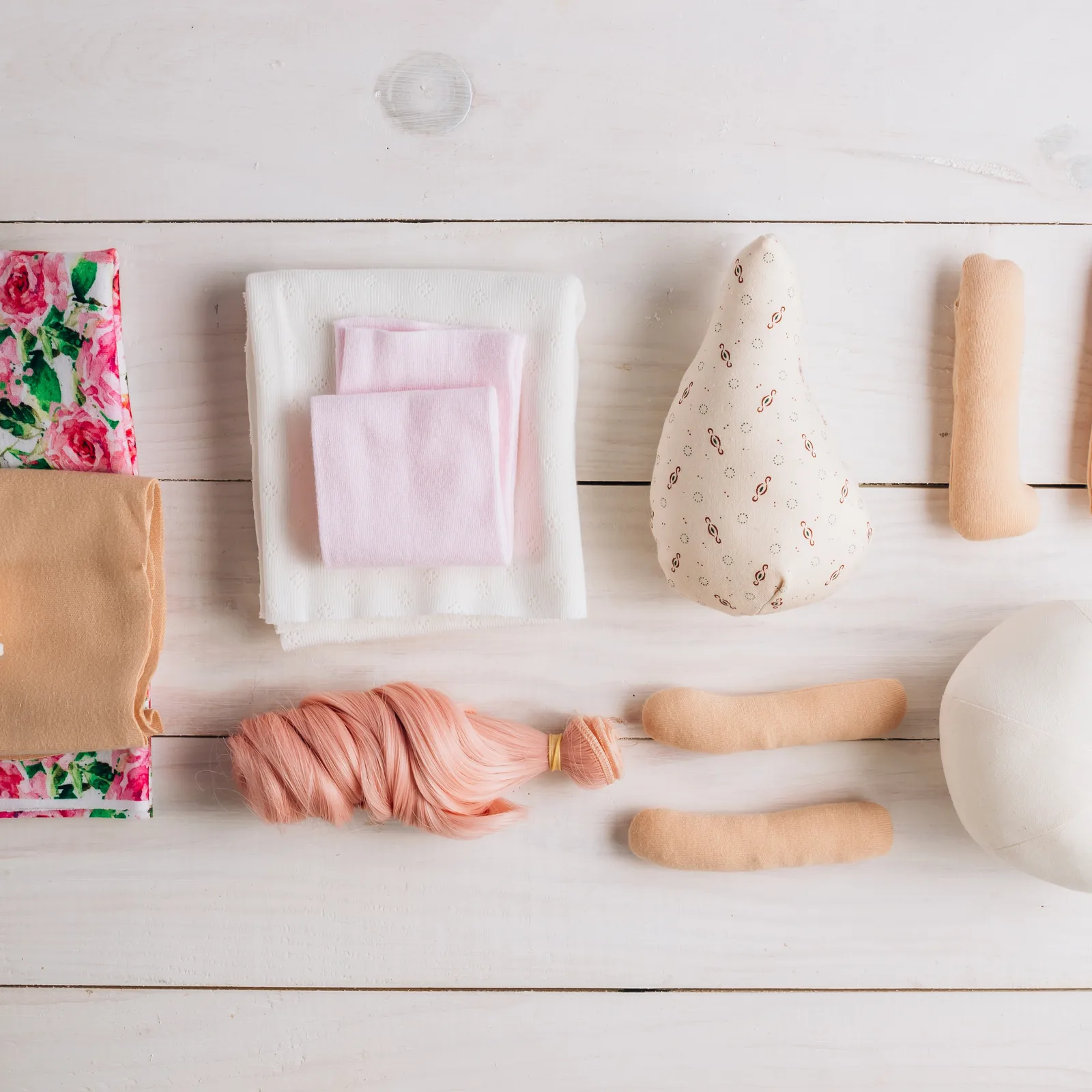
Our design team turns the brief into concept artwork and then into a pattern, the set of flat fabric pieces that are cut and sewn into the finished shape. Proportions usually shift at this stage, since a realistic animal often needs a larger head and shorter legs to sit properly on a shelf and feel right in a child's arms.
Hard components such as moulded eyes or noses need tooling, and that tooling is made in-house, so a change to a part is handled within the same production schedule as the toy itself.
Features for young children
Toys sold in Australia are covered by mandatory safety standards, and a toy intended for children under three must not have small parts that could come loose and be swallowed. Embroidered eyes and noses are the usual answer for that age group, and they also come through the washing machine in better shape than plastic ones. A test report on the finished product is a reasonable thing for any buyer to ask a supplier for.
Sampling and approval
The first sample is where the brief meets the fabric, and it commonly needs a round of changes to the colour, the stitching on the face or the firmness of the fill. For licensed characters the licensor approves the sample as well, and that approval is often the step that sets the timeline for the whole job. Once a sample is signed off, it becomes the reference that every unit in the production run is checked against.
Materials
Plush can be made with fabric and fill spun from recycled bottles, which suits a zoo shop where the product sits alongside a conservation message. We use recycled and plant-based materials where the product allows it, and we are reducing the plastic in the packaging around it.
Production and stock
Production runs at our plant in Dongguan, with quality control done by the group's own staff on the factory floor, and stock for the Australian market is held in our Sydney warehouse and reordered from there. That arrangement lets a park start with a modest range across several species and add to it as the collection or the season changes, without committing to every animal in the first order.